


In international shipping, cargo rarely moves directly from shipper to carrier without expert coordination. Freight forwarders occupy a critical space in the logistics chain, acting as organisers, coordinators, and problem solvers who ensure that goods move efficiently across borders. While often perceived as facilitators, freight forwarders carry defined operational and legal responsibilities that can significantly influence the success—or failure—of a shipment.
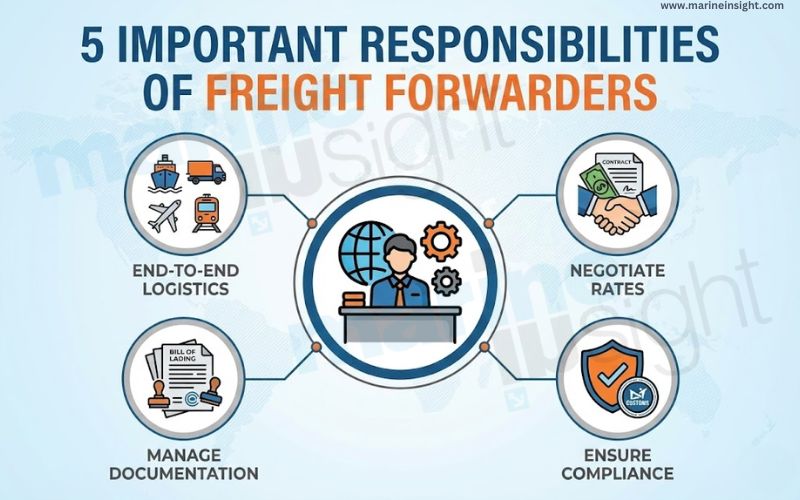
Outlined below are five important responsibilities that shape the role of freight forwarders in modern maritime trade.
- Planning and Coordinating End-to-End Logistics
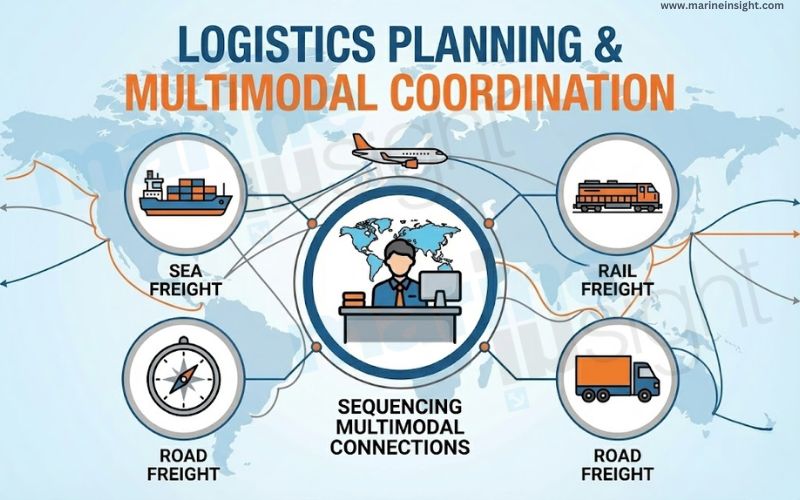
One of the primary responsibilities of a freight forwarder is to plan and coordinate the movement of cargo from origin to destination. This involves selecting suitable transport modes, arranging space with carriers, and sequencing multimodal connections where required. Effective planning requires a strong understanding of transit risks, port congestion, and regulatory constraints. A well-managed logistics plan minimises delays, controls costs, and reduces exposure to avoidable disruptions.
- Negotiating Freight Rates and Transport Terms
Freight forwarders frequently negotiate freight rates on behalf of their clients by leveraging industry relationships and shipment volumes. This responsibility extends beyond securing competitive pricing. Forwarders must also consider service reliability, transit time, and carrier reputation. Poor negotiation or inappropriate carrier selection can expose shippers to delays, cargo damage, or missed market windows, particularly for time-sensitive goods.
- Managing Shipping Documentation
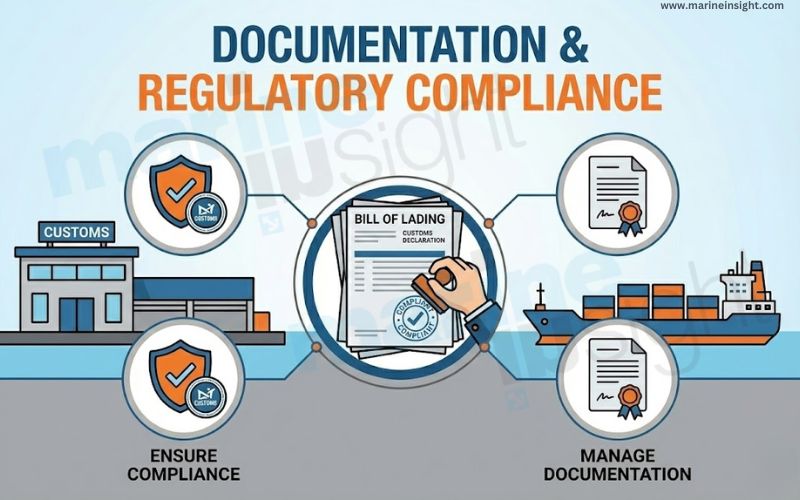
Documentation is at the heart of international trade, and freight forwarders play a key role in preparing and managing essential shipping paperwork. This includes bills of lading, customs declarations, certificates of origin, and regulatory filings. Accuracy is critical. Errors in documentation can lead to customs holds, penalties, or even cargo seizure. Forwarders are expected to exercise diligence and ensure that information provided aligns with both commercial arrangements and regulatory requirements.
- Ensuring Regulatory and Customs Compliance
Freight forwarders operate within complex legal and regulatory frameworks that vary across jurisdictions. A core responsibility is ensuring that shipments comply with customs laws, trade controls, and transport regulations. This includes adherence to hazardous cargo rules, export controls, and import documentation standards. Failure at this stage can result in significant financial loss and reputational damage for both the forwarder and the shipper.
- Exercising Reasonable Care in Cargo Handling and Supervision
Although freight forwarders may not physically handle cargo in every case, they are expected to exercise reasonable skill and care in supervising its movement. This includes monitoring transit conditions, coordinating transhipments, and responding promptly to unforeseen issues such as delays or route changes. When negligence in planning or supervision leads to loss or damage, forwarders may face contractual or legal liability.
Conclusion
Freight forwarders are far more than administrative intermediaries. Their responsibilities span logistics planning, commercial negotiation, compliance management, and operational oversight. Each function contributes directly to the safety, efficiency, and reliability of global trade movements. Understanding these responsibilities is essential for shippers, carriers, and maritime professionals who rely on forwarders as trusted partners.
Source: MarineInsight